
One city or two nearby hill towns with a focused theme.
Your tour guide for Istria
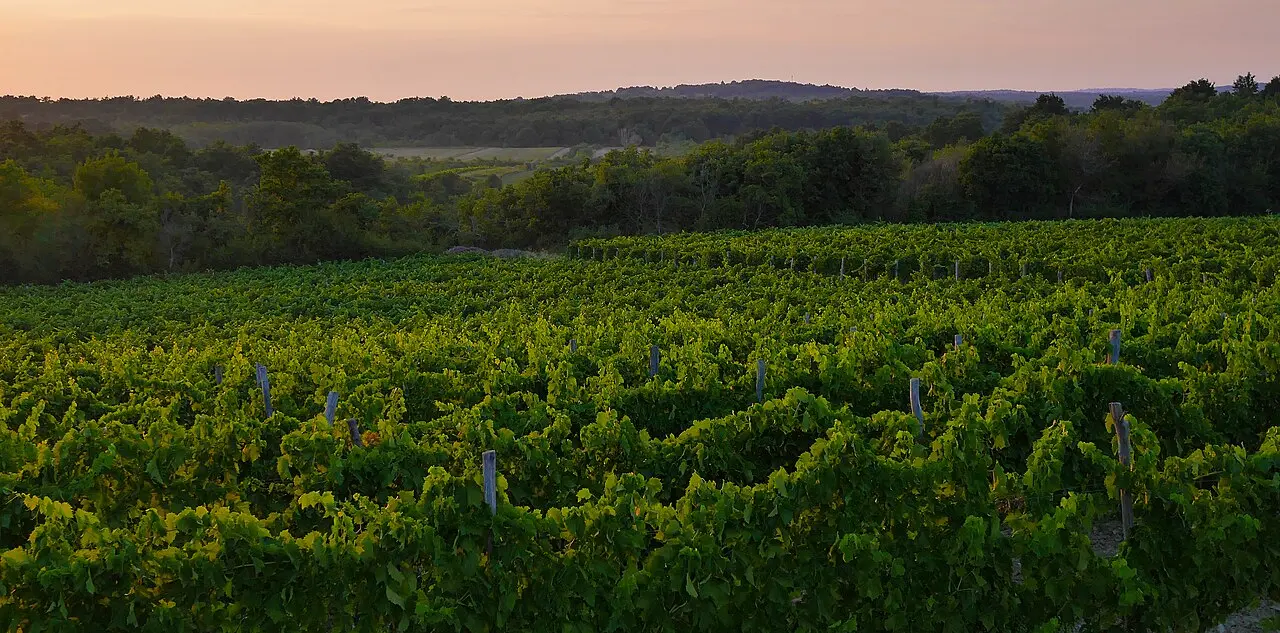
Green Istria: medieval hill towns, olive groves, and vineyards
Croatian Istria is a land of walled medieval hill towns, olive groves, vineyards, and landscapes best discovered slowly, from the coast to the Mirna Valley.
SCROLL
Istra in Croatian
The green heart of Istria.
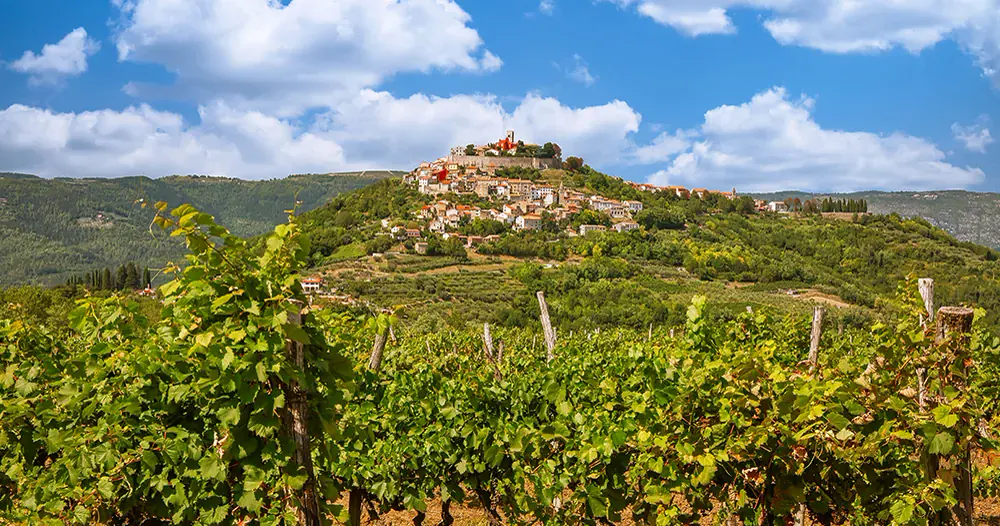
Medieval hill towns, vineyards, and olive groves shape inland Istria. Around Motovun, the Mirna Valley connects its oak forest, the Parenzana trail, and truffle country—a landscape best understood without rushing.
Choose your pace
How long are you staying in Istria?
Coast and countryside, or hill towns with selected producers.
Pula, Rovinj, Poreč, and inland Istria at different rhythms and flavors.
Understanding the place
What to see in Istria
Coast, cities, and Roman Istria
Pula, Rovinj, Poreč, and Fažana bring together archaeology, art, and maritime life. The Arena, mosaics, and other ancient sites connect the peninsula with the Mediterranean.
Venetian hill towns
Motovun, Grožnjan, Bale, and Vodnjan reward slowing down: walls, loggias, and bell towers reveal centuries of Adriatic exchange.
Vineyards, olive groves, and flavors
Malvasia, Teran, olive oil, and truffles tell stories of land and family—a landscape best understood by meeting those who cultivate it.
A borderland: frescoes, churches, and bell gables
Languages and empires created a layered, welcoming identity; small towns and churches preserve some of Istria’s most surprising stories.
Before you go
Practical information
Distances
Short on a map, but roads and meaningful stops require a realistic plan.
Transportation
Inland travel requires a vehicle. On request, I can arrange transport by car or minivan, or hire a coach. Transport services must be booked and paid in advance after the proposal is confirmed.
Tastings
Reservations are required and all costs are stated clearly in your proposal.
Seasons
As September begins, white truffle season opens. The grape harvest may already be over—sometimes almost a month early—while oil slowly forms in the olives and growers wait eagerly for the harvest to begin. Istrian autumn is generous with fruits that local families cultivate with care, love, and pride.
 Istria, shared with knowledge and a smile.
Your tour guide for Pula, Rovinj, Poreč & Istria
Know the places. Hear the stories. Experience Istria.
I’m Rossana, a licensed guide throughout Istria, historian and olive oil sommelier. For over 25 years, I’ve told its history through places and the people who live in them: Pula’s Roman stones, Rovinj’s batana boats, local words and family recipes. Your questions help shape the walk, at your own pace.
- ✓Licensed local tour guide
- ✓Istrian history and flavors
- ✓Tours in English, Italian, and Croatian
Guide Pola
Understand Istria, not just see it.
A private tour turns places and landmarks into a living story shaped around your time and interests.
Stories lived firsthand
Istria, told by someone who lives it
Encounters, flavors, words, and small details gathered over more than 25 years of guiding offer another way into Istria’s identity.
Encounters and reportage
An Istrian journey with Ben Fogle
During his journey through Istria, which also took him to Rovinj, the Brijuni Islands, and Motovun, I had the pleasure of guiding Ben Fogle through Pula’s Arena and sharing a few fascinating details about this wonderful monument with him.
Istria in the world’s media
International perspectives on the region
Istria’s history, hill towns, landscapes, and flavors continue to draw international media attention. These selected features show how leading publications tell the region’s story beyond its borders.
From a guide’s notebook
Stories discovered along the way
A guest’s question, a half-open doorway, a dialect word, or an unexpected detour can transform a story. After more than 25 years, every tour still reveals something new.
Flavors and seasons
The landscape reaches the table
Wild asparagus announces spring, sardines tell the story of the coast, the grape harvest colors late summer, while truffles and freshly pressed olive oil belong to autumn. They are more than foods: they carry work, family memory, and Istrian identity.
Places I enjoy eating
Beyond Michelin stars: my personal favorites
Istria has earned an important place in the MICHELIN Guide. Its best-known names include Ana Roš with JAZ in Poreč, Emanuele Scarello and resident chef Simone De Lucca of Agli Amici in Rovinj, and Danijel Đekić of Monte. Alongside them are many less celebrated chefs and restaurateurs who are just as devoted to local flavors, traditional recipes, and the quality of fresh ingredients. After all, lunch or dinner is not only about what arrives on the plate: it is an experience to enjoy and a lovely memory to take home.
I must be honest: I have not yet had the opportunity to try Istria’s Michelin-starred restaurants, but I will certainly treat myself to this special gourmet experience. For now, I can recommend places I genuinely know—chosen for their atmosphere, the quality of their ingredients, and the pleasure of returning.
As the years go by, I find myself choosing fish, shellfish and scampi more often, together with seafood spreads and salads or a good risotto. In Pula, I enjoy Volaria at Marina Tehnomont and Konoba Feral. In Fažana, I recommend Sapori di Mare and, before a trip to the Brijuni Islands, Taverna Fasana. In Rovinj, I gladly return to Kantinon and Giannino; Rio Bar is a lovely choice for pasta and a good wine list. Kantinon and Rio Bar also offer beautiful views of Rovinj’s Old Town.
Among the relaxed, unpretentious places where the food is genuinely good, I would also mention Sveti Mikula in Rakalj, by the sea beside the lighthouse, for excellent fish, shellfish, and Kvarner scampi. Of course, Istria has many more fine konobas and restaurants—we will save those for another time.
Words, dialects, and traditions
When Pula speaks Istro-Venetian
Istro-Venetian is one of Istria’s historic voices. It is still spoken in several communities today, especially along the coast but elsewhere too, with shades of pronunciation and vocabulary that vary from town to town.
My Italian guests are often pleasantly surprised to discover that we still speak Istro-Venetian here in Istria. During my walks through Pula, I enjoy taking guests to the wall of the Italian Community, known locally as the Circolo. It is covered with words from Pula’s local form of speech, known as el dialetto polesan: cucal, caligo, vin, strussa, stramasso, pindolon, bagolina, mona… Italian guests have fun guessing which words they recognize, what the others might mean, and whether they resemble expressions from the dialects spoken in their own regions. It is a small game that opens a conversation about language, memory, and the many ties that cross the Adriatic. A simple wall often becomes one of the liveliest stops on the tour.
Calle, spàcio, batana, bitinade, marenda, and fritaja: each word holds a way of living, working, singing, and gathering together. They reveal how deeply the cultures that have shaped Istria over the centuries remain intertwined—and how they continue to shape its identity today.
Desserts and gelato
Discover Istria’s sweeter side
Almost everyone asks me where to find good gelato. I do not make rankings: I simply share two places I have tried myself, together with a few desserts that tell the story of our celebrations.
Gelato: two personal discoveries
In Fažana, I very much enjoyed the gelato at Sapori di Mare; in Rovinj, I had the pleasure of trying Ombra – laboratorio del gelato. Two refreshing stops to enjoy during a walk.
Sweets for holidays and gatherings
Fritule, which also entered Istrian cooking through the region’s long ties with Venice, are prepared for major celebrations and found at village festivals or agritourism restaurants. Kroštule belong especially to Carnival and are harder to find out of season. My favorites include strudel de pomi and, when sour cherries ripen, a wonderfully sweet-tart cherry strudel. Those who enjoy dry biscuits should look for bucolaj and cukerančići.
Where to look for traditional flavors
Torta bumbara, made with almonds, eggs, and sugar, is not easy to find: in Pula, it is currently served at the Da Danielli bistro, while in Vodnjan you can also taste it at a café on the main square. In Žminj, look for Kristova kruna, an old almond crown once made for weddings and major celebrations. During Barban’s summer Wednesday events, a local woman prepares and offers visitors barbanski kolač, the town’s traditional wedding cake, while the local market accompanies the horsemen’s training for the Trka na prstenac. To sample many sweets in one evening, look for Sweet Istria in Vižinada.
FAQ
Plan with confidence.
Clear, practical answers from a local guide.
What should I choose for a first visit?
Pula or Rovinj paired with one inland hill town offers a balanced introduction.
Do I need a car?
Yes for inland Istria; city tours in Pula and Rovinj are on foot.
Are tastings included?
Only when listed in your proposal; they are arranged with selected producers.
Public reviews
Experiences shared by those who lived them.
Reviews published for “Curiosities and secrets of Pula,” a tour personally guided by Rossana and available on Viator and Tripadvisor.
★★★★★5.0 out of 5Rating published on Viator and Tripadvisor
History you can feel
Fabio Massimo P. highlights Rossana’s knowledge and patience, and the way she brings Pula’s history and meeting of cultures to life.
Interesting and engaging
Barbara C. describes a visit rich in anecdotes that reveals Pula’s long history in a natural, engaging way.
Knowledge and flexibility
Elly030 praises the historical and artistic insight, flexibility, and clear communication before the tour.
Contact me directly
The form is still misbehaving…
I’m working on it, but for now it’s quicker to call or message me on WhatsApp. Tell me your date, group size, and what interests you—we’ll take it from there.
I usually reply within 24 hours and, during especially busy periods, within 48 hours.
Let’s keep it simple
One call or message, and we can start planning your visit to Istria.
Call: +385 98 824 371WhatsApp